Types of Asphalt Cracks and Why They Happen
In many cold regions of the world, engineers choose asphalt with high penetration. High-penetration asphalt is softer and more flexible compared to low-penetration asphalt. This flexibility is very important in places where the temperature becomes very low during winter.
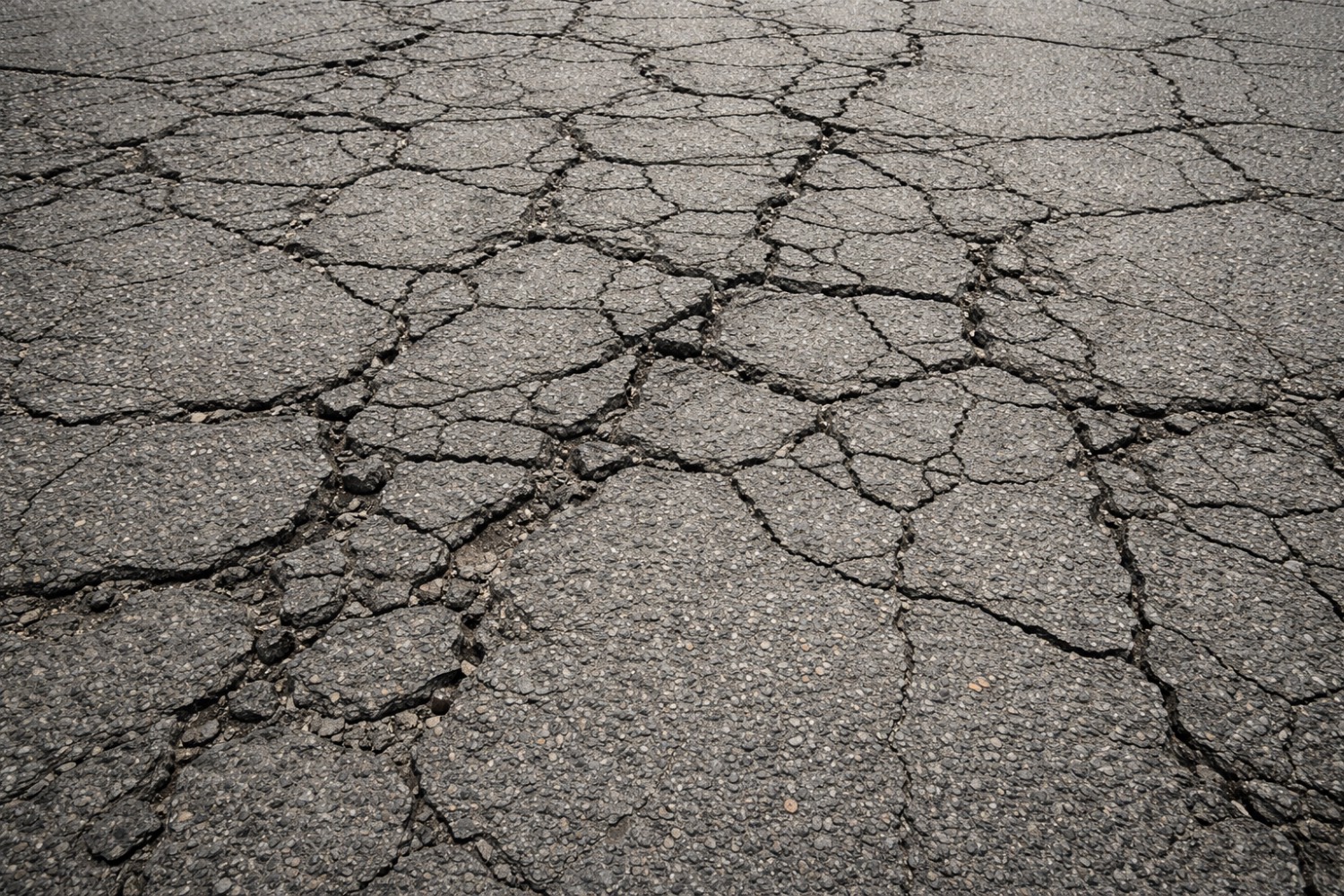
When the weather gets cold, asphalt becomes harder. If the asphalt is already very hard, it can easily crack. This is one of the biggest problems in cold climates. Roads in these areas often face transverse cracks and other types of damage because the material cannot handle the cold temperature.
High-penetration asphalt can move and stretch more easily. When the temperature drops, the asphalt contracts, but the flexible material can handle this movement without breaking. Because of this, roads built with softer asphalt usually last longer in cold areas.
Another reason is the freeze-thaw cycle. In cold regions, water enters small holes in the asphalt. Then the water freezes and expands. When the ice melts again, the structure becomes weaker. Flexible asphalt can resist this process better than hard asphalt.
Traffic is also an important factor. In winter, the asphalt becomes stiff, and heavy vehicles can damage it more easily. A softer asphalt mix can absorb the pressure from traffic and reduce the risk of cracks.
High-penetration asphalt also improves the durability of the road. Engineers want roads that can stay strong for many years, even in difficult weather conditions. Using a more flexible binder helps reduce maintenance costs and keeps the road safer for drivers.
In conclusion, cold regions prefer high-penetration asphalt because it is more flexible, more resistant to cracking, and better for low temperatures. This type of asphalt helps roads remain smooth and strong, even during long and cold winters.
What are you waiting for?
Stay connected with us on social media and get the latest news and updates easily.
Contact Info
Let’s Try Quality
Get in touch with us to discuss Your Inquiry